
-
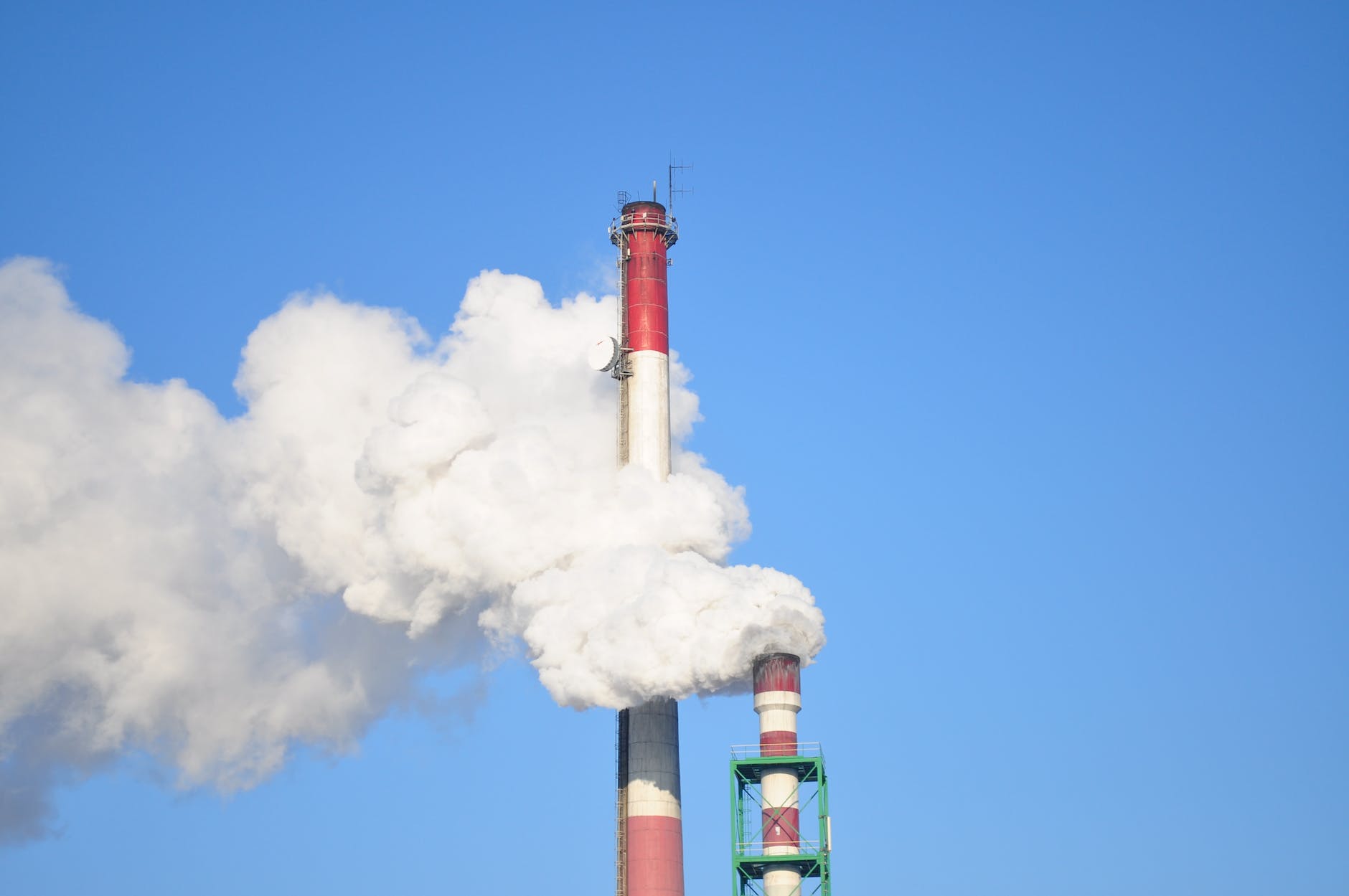
Upstream Oil & Gas Emissions Intensity Falls 12% Since 2017; Challenge of Absolute Emissions Remains, Says Wood Mackenzie Report
In a recent analysis by Wood Mackenzie, a leading research and consultancy firm in the energy sector, findings indicate that efforts to reduce carbon emissions in the upstream oil and gas industry have resulted in a 12% reduction in scope 1 and 2 emissions intensity since 2017. Despite these advances, the report titled “Is upstream…
-
Latest Data Highlights Carbon Capture as Fossil Fuel Lifeline, Not Climate Savior
In a stark revelation on the eve of the United Nations Climate Change Conference, Oil Change International has exposed the shortcomings of Carbon Capture and Storage (CCS) in its report titled “Carbon Capture’s Publicly Funded Failure.” The study, spanning 50 years, unveils a disheartening trend of over-promising and under-delivering by CCS, with governments funneling over…
-
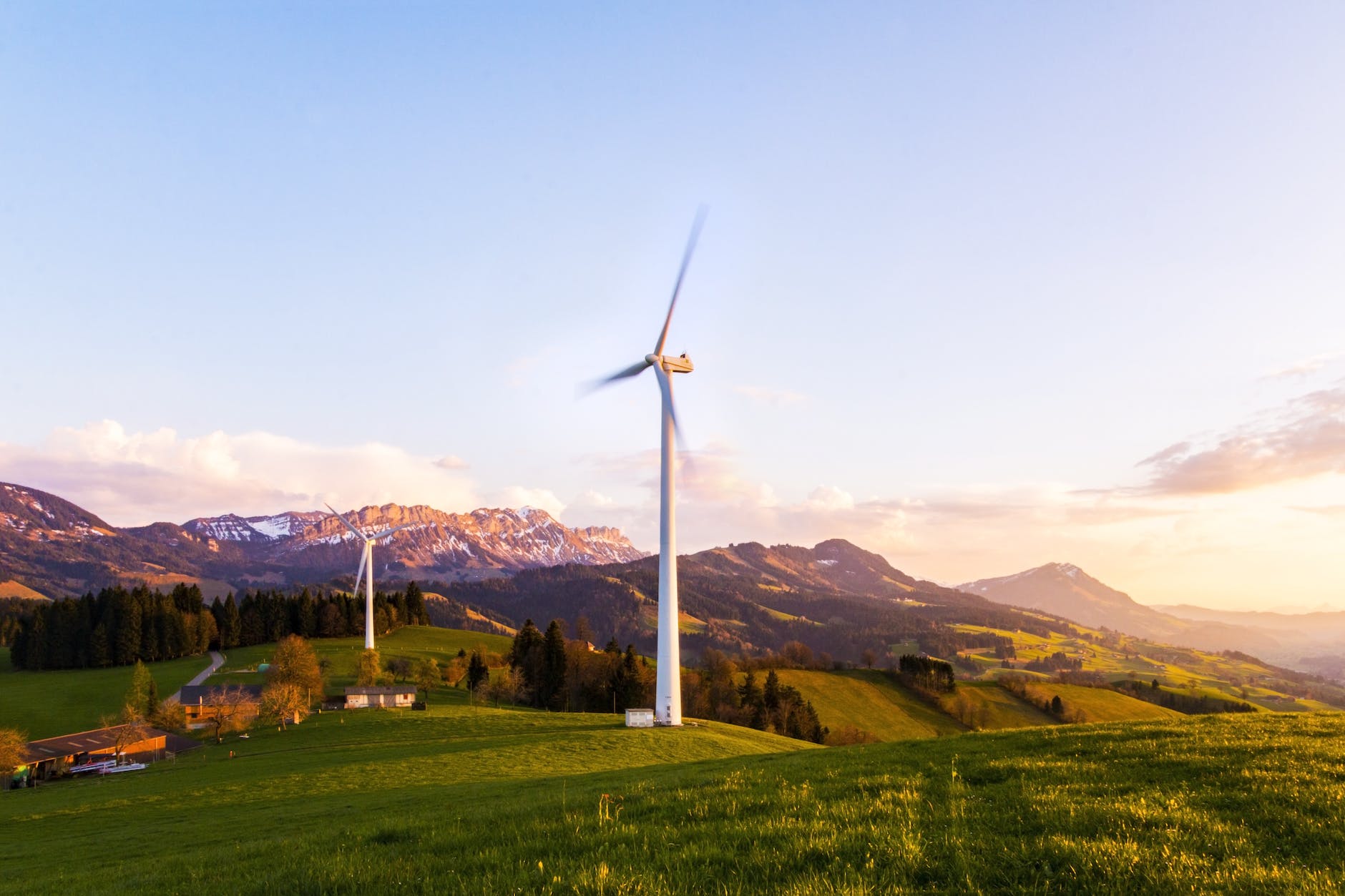
Fulfilling Net-Zero Goals: IMF Urges Private Sector to Lead Climate Investment in Emerging Economies
Achieving the ambitious goal of transitioning to net-zero emissions by 2050 requires substantial climate mitigation investments, particularly in emerging market and developing economies, which currently contribute to about two-thirds of global greenhouse gas emissions. According to the International Energy Agency (IEA), these countries will require approximately $2 trillion annually by 2030 to meet this objective,…
-

IFC Report Highlights Blended Finance as Crucial for India’s Net-Zero Goals
In a recently published report, the International Finance Corporation (IFC) underscores the pivotal role of blended finance in facilitating India’s transition towards sustainable energy practices. The report titled “Blended Finance for Climate Investments in India” accentuates blended concessional finance as an innovative financial approach to attract private sector investments into climate mitigation and adaptation projects…